

Troubleshooting Guide
Why Is My Garage Door Making Noise? Diagnose It by the Sound
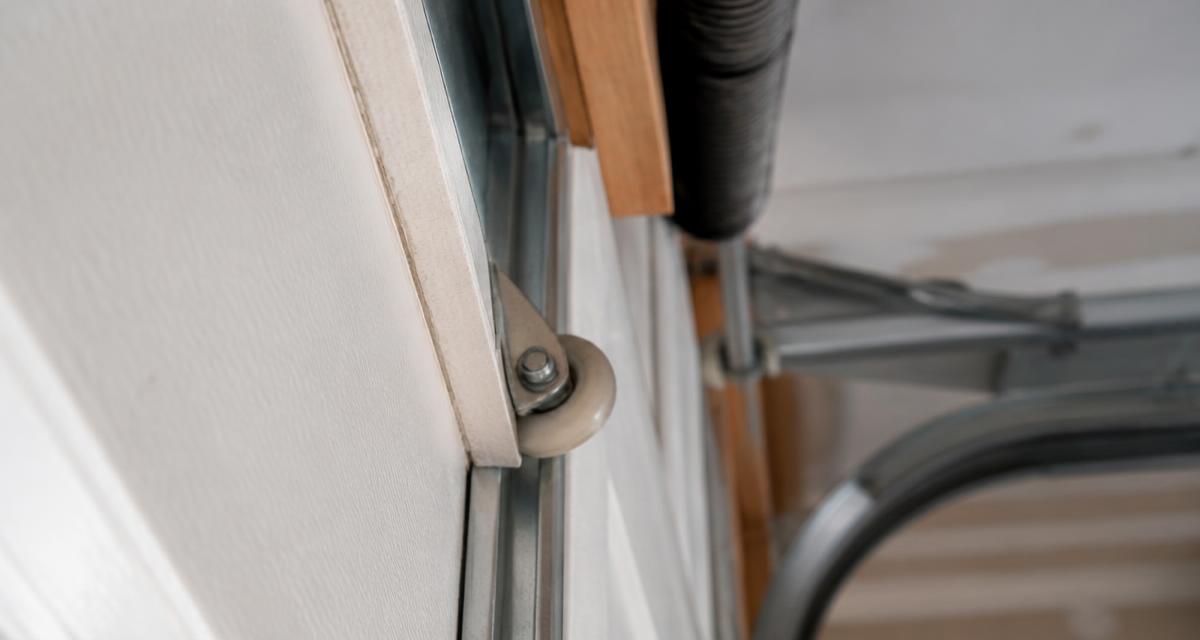
A garage door is the largest moving object in most homes, so some noise is normal. But the type of noise tells you exactly what's wrong. Squeaks and rattles are almost always a maintenance issue you can fix in an afternoon. Bangs, grinding, and scraping are warnings that a spring, cable, gear, or track is failing. Use the table below to match your sound, then read the section for the fix.
TL;DR
Most noisy garage doors are caused by dry rollers and hinges, loose hardware, or worn steel rollers — all cheap fixes. A single loud bang means a broken torsion spring: stop using the door and call a technician. Lubricating every moving pivot twice a year and switching to nylon rollers eliminates the vast majority of garage door noise.
Match the sound to the cause
| Sound | Likely cause | Fix | Safe to DIY? |
|---|---|---|---|
| Squeaking / chirping | Dry rollers, hinges, springs | Lubricate pivot points | Yes |
| Rattling / vibrating | Loose nuts, bolts, brackets | Tighten all hardware | Yes |
| Grinding | Stripped opener drive gear, dry chain/screw | Gear kit or chain service | Sometimes |
| Loud bang (once) | Broken torsion spring | Spring replacement | No — call a pro |
| Popping while moving | Worn hinges, misaligned track, torsion tube binding | Hardware/track service | No |
| Scraping metal | Bent track, door out of alignment | Track realignment | No |
| Slapping / flapping | Loose chain on the opener rail | Chain tension adjustment | Yes |
| Straining hum, no movement | Capacitor or motor failure, or broken spring | Opener repair / spring service | No |
Squeaking: lubricate everything that pivots
Squeaking is friction. Every roller stem, hinge pivot, bearing plate, and spring coil on your door needs a film of lubricant, and Charlotte's humidity strips it faster than most people expect. Plan on lubricating twice a year — spring and fall.
- Close the door and unplug the opener.
- Wipe the inside of both vertical tracks with a dry rag. Tracks should be clean, not lubricated — grease in the track collects grit and makes noise worse.
- Spray a lithium or silicone garage door lubricant (not WD-40, which is a solvent) on each roller stem and bearing, each hinge pivot, the torsion spring coils, the end bearing plates, and the center bearing.
- Wipe the excess, plug the opener back in, and run the door twice.
Rattling: tighten the hardware
A door cycles roughly 1,500 times a year. That vibration slowly backs out fasteners. With the door closed and the opener unplugged, run a socket wrench over every hinge bolt, track bracket lag, roller bracket nut, and the opener rail hangers. Snug is enough — overtightening strips the sheet metal of the panel.
Grinding and slapping: it's usually the opener
- Slapping chain. A chain that sags more than about 1/2 inch below the rail slaps on every cycle. Most openers have a threaded trolley bolt you can tighten to restore tension.
- Motor runs, door doesn't move, grinding inside the head. The nylon drive gear has stripped — a very common failure on 8–15 year-old chain drives. A gear kit is inexpensive, but the motor head has to come down to install it.
- Screw-drive whine. The steel screw rail needs a specific white lithium grease, not spray lube. Reapply annually.
A single loud bang: stop using the door
If you heard one sharp bang — often loud enough that neighbors think it was a gunshot — and the door now feels impossibly heavy or the opener strains and stops, a torsion spring broke. Look at the spring on the shaft above the door: a broken spring has an obvious two-inch gap in the coil.
Don't try to force the door open, and don't pull the emergency release with the door up. Torsion springs store hundreds of pounds of force, and replacing one with the wrong winding bars is one of the most common causes of serious garage injuries. Spring repair is same-day work for a technician, typically 60–90 minutes.
Popping and scraping: track and alignment
Popping while the door moves usually means the sections are binding — worn hinges, a bent track, or a torsion tube that's shifted in its bearings. Metal-on-metal scraping means a roller is riding the edge of a bent track. Both get worse quickly: a door that binds puts uneven load on the cables, and a cable that jumps its drum can drop the door on one side. Get it looked at before it becomes a panel or cable replacement.
How to make a garage door genuinely quiet
- Nylon rollers. Swapping steel rollers for 13-ball nylon rollers is the single biggest noise reduction available — and they last far longer.
- Belt-drive opener. A rubber belt drive is dramatically quieter than chain. Worth it for any garage under a bedroom. See belt vs. chain drive.
- Anti-vibration pads. Rubber isolators between the motor and the ceiling brackets stop the structure from broadcasting motor hum through the house.
- Annual tune-up. A professional tune-up covers lubrication, hardware torque, spring balance, and track alignment in one visit.
Frequently asked questions
Why is my garage door squeaking so loudly?
Squeaking almost always means dry rollers, hinges, or springs. Metal rollers with unlubricated bearings and dry hinge pivots are the top two causes. Wipe the tracks clean and apply a lithium or silicone garage door lubricant to the roller stems, hinge pivots, springs, and bearing plates — never to the inside of the track. Most squeaks disappear in about 15 minutes.
What does a grinding noise from my garage door mean?
Grinding usually comes from the opener, not the door. On a chain drive it's a dry or loose chain; on a screw drive it's a dry screw rail; inside the motor head it's a worn plastic drive gear meshing badly with the worm gear. If the motor runs but the door doesn't move and you hear grinding, the drive gear has stripped and needs replacement.
Why did my garage door make a loud bang like a gunshot?
A single loud bang from the garage — often mistaken for a gunshot — is the classic sound of a torsion spring snapping. Do not try to open the door. The door now weighs 150–350 lbs with no counterbalance. Look at the spring above the door: a broken one shows a visible 2-inch gap. Call a technician; spring replacement is not a DIY job.
Why does my garage door rattle when it opens?
Rattling is usually loose hardware. Vibration slowly backs out the lag bolts and nuts on hinges, track brackets, and the opener rail. With the door closed, hand-tighten every nut and bolt with a socket wrench — snug, not overtightened. If the rattle persists, worn rollers with sloppy bearings are the next suspect.
Is a noisy garage door dangerous?
Some noises are harmless (a dry hinge), and some are warnings. Popping and banging under load, scraping metal on metal, or a door that jerks while making noise can indicate a broken spring, a frayed cable, or a bent track — all of which can fail suddenly. If the door is also moving unevenly or sagging on one side, stop using it and get it inspected.
How do I make my garage door quieter?
Three upgrades cover almost every case: replace steel rollers with 13-ball nylon rollers, lubricate all pivot points twice a year, and swap a chain-drive opener for a belt drive. Together they typically drop a noisy door from a rattling annoyance to something you can barely hear from an adjoining bedroom.
Related reading
- What causes garage door springs to break
- Garage door won't close: troubleshooting
- Garage door repair costs in Charlotte
- Garage door maintenance service
Still noisy after lubricating?
If the noise came back within days, something is worn or out of alignment. We diagnose the source on site with flat-rate written pricing before any work starts — same-day across Charlotte and the Carolinas.
Ready to fix it?
If the noise returns after lubricating, rollers, bearings or springs are worn.
- Nylon roller replacementQuiet nylon rollers to stop grinding and rattling.
- Garage door maintenanceLubrication, balance and hardware tightening twice a year.