

Decision Guide
Garage Door Lifespan: When to Replace vs. Keep Repairing
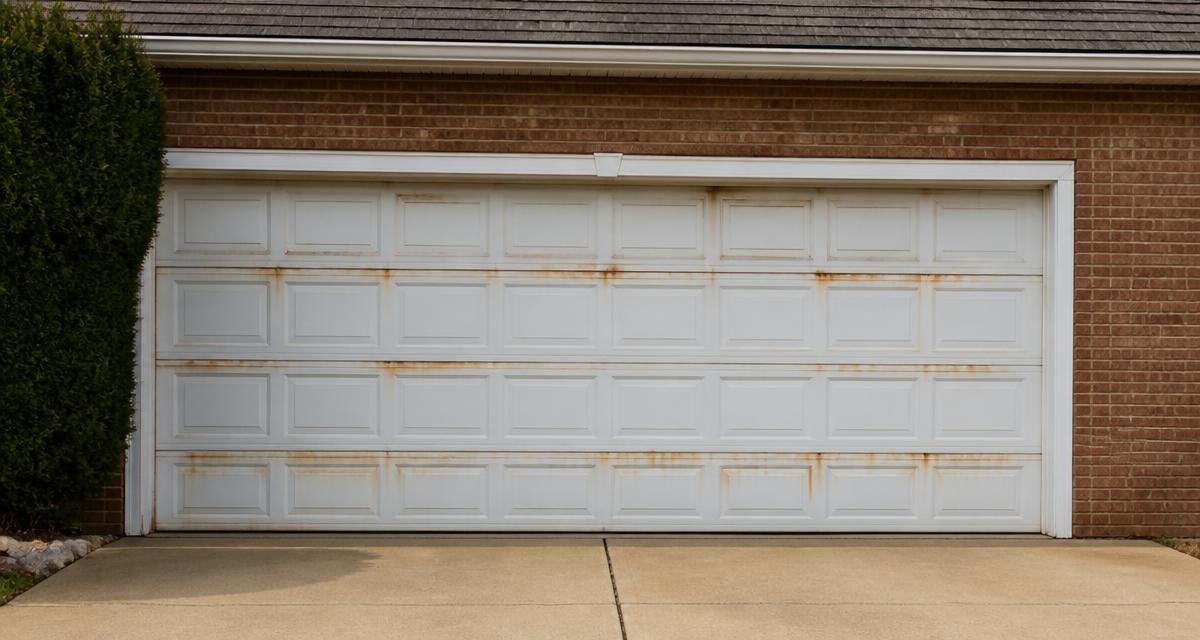
"How much longer will this door last?" is the question behind almost every repair call. The honest answer depends less on the door's age than on which part failed, how many times you've already fixed it, and what a new door would actually cost you. Here's the framework we use on site.
TL;DR
Steel doors last 20–30 years; springs 7–10; openers 10–15. Repair when the panels are sound and one component failed. Replace when the repair quote passes ~50% of a new installed door, when two or more panels are damaged or rusted through, or when you're on your third repair in two years.
How long each part actually lasts
| Component | Typical life | Notes |
|---|---|---|
| Steel door panels | 20–30 years | Often outlast every other component |
| Wood door panels | 15–20 years | Requires refinishing every 2–3 years |
| Torsion springs (standard) | 7–10 years | 10,000-cycle rating |
| Torsion springs (high-cycle) | 15–20 years | 20,000–50,000-cycle rating |
| Lift cables | 8–15 years | Fray at the drum; replace with springs |
| Steel rollers | 5–7 years | Nylon rollers last 12–20 years |
| Hinges | 10–15 years | Center hinges wear fastest |
| Opener | 10–15 years | 15,000–20,000 cycles |
| Weather seal | 3–7 years | Cheapest, most-neglected part |
The pattern that matters: the door outlives its parts. A 22-year-old door on its third set of springs is normal, not a sign the door is finished.
The 50% rule
If a single repair quote exceeds roughly half the installed price of a comparable new door, replacing is usually the better value. In the Charlotte market a new insulated double door typically installs for $1,200–$3,500 depending on material and style, so a repair above roughly $600–$1,000 on an aging door deserves a hard look. Check current numbers in our installation cost guide and repair cost guide.
Repair when…
- One component failed — spring, cable, roller, hinge, or opener — and the panels are straight and solid.
- The door is under about 15 years old.
- A single panel is dented and can be swapped (see panel replacement costs).
- The door is already insulated and matches the house.
- This is the first significant repair in several years.
Replace when…
- Two or more panels are cracked, bowed, or rusted through.
- The door is 20+ years old and this is the third repair in two years.
- The bottom section has rotted or rusted at the weather seal — structural, not cosmetic.
- The door is uninsulated and the garage is attached or conditioned.
- Replacement panels for the model are discontinued.
- The opener predates 1993 and lacks photo-eye safety sensors.
- You're selling — a new door is one of the strongest curb-appeal returns available.
The three-repair test
Add up what you've spent on the door in the last 24 months. If the total is approaching half a new door and the calls keep coming, you're financing a replacement in installments. Older doors fail in clusters because every component aged together — the spring goes, then the cables, then the rollers, then the opener that's been straining against all of it.
What replacement gets you beyond a working door
- Insulation. An R-12 to R-18 door meaningfully moderates an attached garage — real comfort gain for adjoining rooms and bonus rooms above.
- Quiet operation. New nylon rollers and modern hardware are dramatically quieter.
- Safety. Pinch-resistant sections, tamper-resistant bottom brackets, and current sensor standards.
- Warranty. New doors typically carry multi-year hardware and finish coverage; a repair warranties one part.
- Resale. Garage door replacement routinely ranks at the top of national cost-recouped remodeling projects.
How to stretch the life of the door you have
- Lubricate rollers, hinges, and springs twice a year.
- Test balance every six months with the waist-height release test.
- Replace steel rollers with nylon — quieter and far longer-lived.
- Keep the bottom weather seal intact so water doesn't sit against the bottom section.
- Book an annual tune-up so small problems get caught before they cascade.
Frequently asked questions
How long does a garage door last?
A well-maintained steel garage door lasts 20–30 years, and the door panels often outlive several sets of springs, rollers, and openers. Wood doors last 15–20 years with regular refinishing. In practice, most doors are replaced because of accident damage, rust-through, or a homeowner wanting better insulation and curb appeal, not because the panels wore out.
When should I replace my garage door instead of repairing it?
Replace when the repair quote exceeds about 50% of a new door's installed price, when two or more panels are cracked or rusted through, when the door is over 20 years old and needing repeated repairs, when it lacks modern safety features, or when you want the insulation and curb-appeal gain. Repair when the door structure is sound and one component — spring, cable, roller, opener — has failed.
How long do garage door springs last?
Standard torsion springs are rated for about 10,000 cycles, roughly 7 years at typical use. High-cycle springs rated 20,000–50,000 cycles can last 15–20 years. Springs are the most frequently replaced component on any garage door.
How long do garage door openers last?
10–15 years, or about 15,000–20,000 cycles. Drive gears, capacitors, and logic boards are the typical failure points. If an opener over 12 years old needs a repair above roughly $250, replacement usually makes better financial sense and gains you rolling-code security, battery backup, and app control.
Is it cheaper to repair or replace a garage door?
Repairs almost always cost less up front — a spring or opener repair runs a few hundred dollars versus $1,200–$3,500 for a new installed door. The calculation changes when repairs repeat. Two or three service calls in a couple of years on a 20-year-old door usually adds up to more than a replacement that resets the clock and improves efficiency.
Does a new garage door increase home value?
Garage door replacement consistently ranks among the highest cost-recouped remodeling projects in national Cost vs. Value reporting, frequently recovering most or all of its cost at resale. It is also one of the largest visible facades on a typical home, so the curb-appeal effect is disproportionate to the spend.
Related reading
- Garage door repair vs. replacement guide
- What causes garage door springs to break
- Insulated garage doors buyer's guide
- Garage door replacement service
Not sure whether to repair or replace?
We'll assess the door on site and quote both paths in writing so you can compare honestly — no pressure either way. Same-day service across Charlotte and the Carolinas.
Ready to fix it?
Not sure whether to repair or replace? We give both prices in writing before any work.
- Garage door repairSame-day diagnosis with flat-rate written pricing.
- Garage door replacementFull door replacement with haul-away and warranty.