

Energy Efficiency Guide
Garage Door Insulation: R-Values, Cost, and Energy Savings in Charlotte
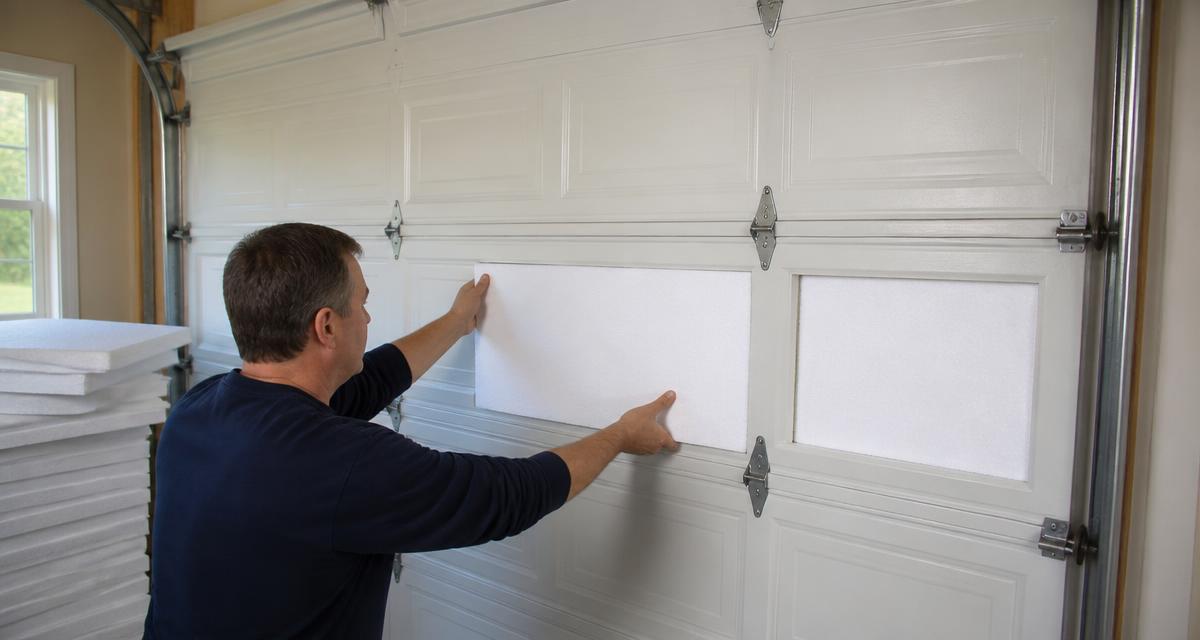
In Charlotte's climate, an uninsulated garage door is one of the biggest hidden energy leaks in the house. Summer surface temps on a west-facing steel door regularly hit 140°F, and every degree of that heat radiates into an attached garage — and then into any bedroom, bonus room, or HVAC ducting that shares a wall. Here's how insulation actually works, what R-value you need for the Carolinas, and whether a DIY kit or a factory-insulated replacement door is the smarter spend.
The 4 real benefits of an insulated garage door
- Lower cooling bills. On an attached garage in Charlotte, upgrading from single-layer steel to an R-16 insulated door typically drops garage temps by 15–25°F and cuts summer HVAC load in the adjacent rooms by $15–$40/month.
- Quieter operation. Foam-filled panels dampen the metallic rattle of rollers and hinges. Most customers say the door sounds noticeably softer the first time they open it after replacement.
- Structural strength. A three-layer sandwich construction (steel–foam–steel) resists dents from basketballs, ladders, and the occasional bumper tap far better than a hollow single-layer door.
- Protected belongings. Paint, adhesives, batteries, and electronics stored in the garage last dramatically longer when the space stays between 55°F and 85°F instead of swinging from 30°F to 120°F.
R-value explained (and what you actually need in Charlotte)
R-value measures resistance to heat flow. Higher = better insulation. For garage doors, the honest numbers to know are:
| R-value | Construction | Best for (Charlotte) |
|---|---|---|
| R-0 to R-6 | Single-layer steel | Detached garage, storage only |
| R-9 | 2-layer w/ vinyl backer | Detached garage, minor comfort gain |
| R-12 | 3-layer sandwich, 1⅜″ foam | Attached garage, minimum recommended |
| R-16 | 3-layer sandwich, 2″ foam | Attached garage w/ living space adjacent — our default recommendation |
| R-18+ | Polyurethane 2″+ | Room-above-garage, workshop, home gym |
A whole-door R-value is always lower than the panel R-value alone because of the section joints and perimeter seals. When a spec sheet says "R-18," the effective installed R is usually R-13 to R-15.
DIY insulation kits: when they actually work
A big-box DIY kit (Owens Corning, Reach Barrier, Matador) runs $60–$200 and adds around R-4 to R-8 depending on foam thickness. That's a real upgrade if your current door is bare single-layer steel. Realistic expectations:
- Best case: 10–15°F cooler garage in July, quieter door, roughly $8–$15/month savings.
- Takes 1–2 hours for a single door, 2–4 hours for a double door.
- Adds 15–25 lbs to the door — enough to throw off spring balance on doors that were already borderline. If the door feels heavy to lift by hand after installing the kit, the springs need re-tensioning before the opener burns out its gear.
- Doesn't seal section joints, so the effective R stays around R-5. You won't reach factory R-12+ performance with a kit.
Professional insulated door replacement: cost & payback
For Charlotte-area homes, an installed factory-insulated door typically runs:
- Single 9×7 R-12 steel: $1,700–$2,400 installed
- Double 16×7 R-12 steel: $2,400–$3,400 installed
- Double 16×7 R-16 sandwich: $3,000–$4,500 installed
- Insulated carriage-house / wood-look: $4,500–$8,000 installed
On an attached garage in Charlotte, the energy-only payback runs 8–12 years. The real value shows up immediately in comfort, noise, and resale — insulated doors are consistently listed by Remodeling Magazine's Cost vs. Value report as one of the top 3 home upgrades for ROI at resale (typically 90%+ recouped).
Don't forget the perimeter seals
The best-insulated door in the world leaks like a screen door if the weatherstripping is cracked. On every insulation upgrade or replacement, we also swap:
- Bottom astragal (the U-shaped rubber seal on the bottom panel)
- Perimeter weatherseal around the jambs and header
- Between-panel PVC seals if any are torn
In Charlotte, humidity and UV usually kill the bottom seal in 5–7 years. A $40 seal replacement often does more for garage temperature than any panel upgrade.
Frequently asked questions
What R-value do I need for a garage door in Charlotte, NC?
R-12 to R-16 for attached garages; R-9 to R-12 for detached. Go higher (R-18+) if there's living space directly above the garage.
Is a garage door insulation kit worth it?
Yes on a bare single-layer door — expect R-4 to R-8 and a 10–15°F drop. No if you already have a 2-layer door; the gain isn't worth the added weight.
Will insulating my garage door lower my electric bill?
On attached garages in Charlotte, typically $15–$40/month in summer cooling.
Do I need to re-tension the springs after adding insulation?
If the door feels heavier than 10 lbs at the handle when disconnected from the opener, yes. Otherwise the opener will strain and fail early.
Related reading
- New garage door installation cost
- Panel replacement cost guide
- Garage door installation services
- Maintenance & tune-ups
- Full pricing guide
Ready for a quieter, cooler garage?
Free in-home estimate on insulated Amarr doors across the Charlotte metro. Flat-rate written pricing before any work starts.
Ready to fix it?
Ready to upgrade to an insulated door? We quote R-value options for free.
- New door installationInsulated steel and carriage-house doors, free estimates.
- Garage door replacementFull door replacement with haul-away and warranty.